𝑨 𝒉𝒖𝒎𝒂𝒏 𝒂𝒏𝒅 𝒔𝒄𝒊𝒆𝒏𝒕𝒊𝒇𝒊𝒄 𝒕𝒓𝒊𝒖𝒎𝒑𝒉 𝒊𝒏 𝑪𝒂𝒏𝒂𝒓𝒚 𝒐𝒑𝒆𝒓𝒂𝒕𝒊𝒏𝒈 𝒓𝒐𝒐𝒎𝒔
In a healthcare scenario where pressure on health systems is increasing, the Canary Islands stand out as an example of human commitment, clinical excellence, and organizational efficiency in the field of organ transplantation. During the first five months of 2025, public hospitals of the Canary Health Service (SCS) carried out a total of 95 transplants, thanks to the generosity of 53 donors—figures that not only impress in scale but carry profound human and social value.
A model of coordination and altruism
Of the 95 transplants, 66 were kidney, 15 liver, 10 heart, and 4 lung. This distribution reflects the ability of the archipelago’s healthcare centers to handle various highly complex interventions and the efficiency of SCS’s transplant coordination system, regarded as one of the best in Spain.
The donors—50 deceased and 3 living—are the cornerstone of this effort. Through their decision or that of their families, many people have been able to regain their health, prolong their lives, or significantly improve their quality of life. This gesture of solidarity reminds us that organ donation is a supreme act of empathy and commitment to others.
Hospitals making a difference
The University Hospital of the Canary Islands (HUC), in Tenerife, remains the reference center for kidney and heart transplants, while the University Hospital Nuestra Señora de Candelaria and other centers across the archipelago contribute with liver and lung transplants. The existence of highly specialized transplant units enables procedures that were once unthinkable in island territories.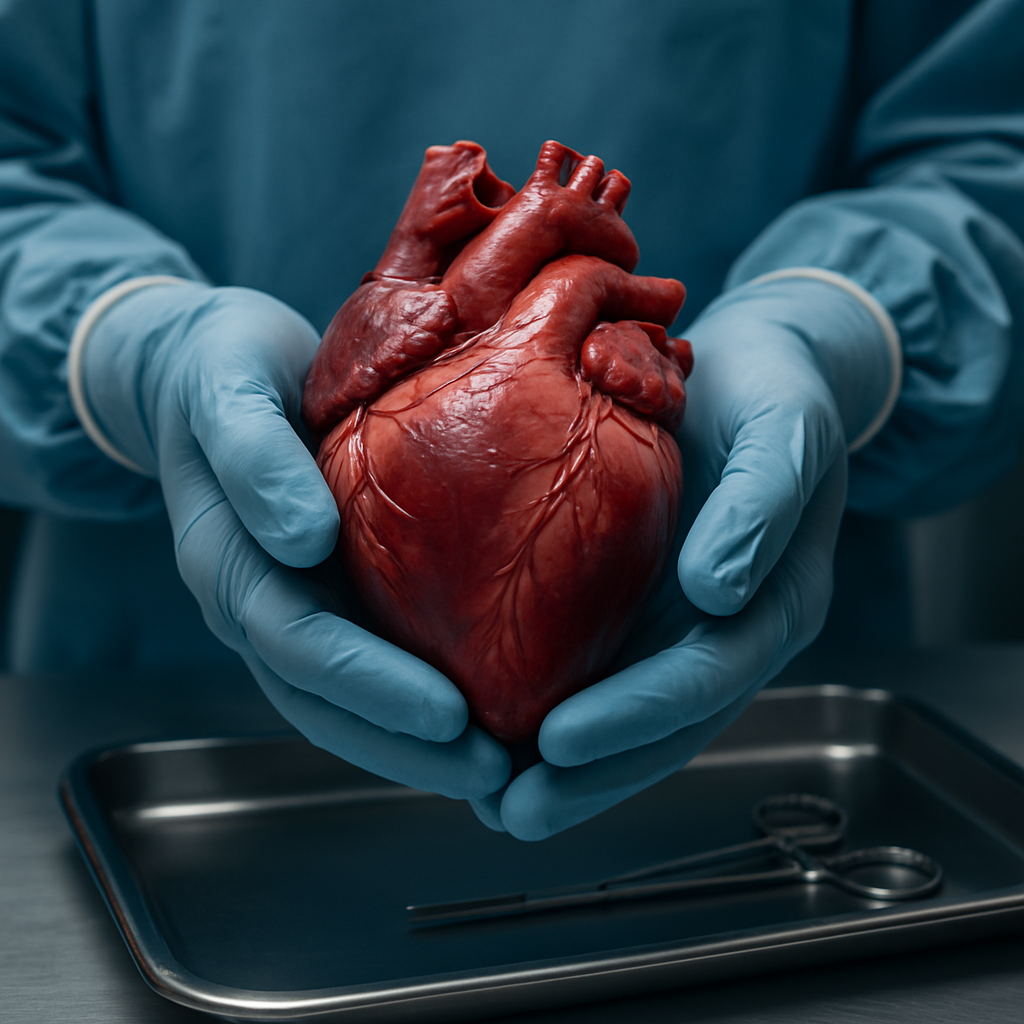
These hospitals are staffed by multidisciplinary teams including surgeons, nephrologists, cardiologists, hepatologists, anesthesiologists, intensivists, specialized nurses, and psychologists, among others. Close collaboration between these professionals is key to success, from donor evaluation to post-transplant patient follow-up.
Infrastructure, technology, and training: the keys to success
A fundamental pillar of the Canarian model is continued investment in health technology, inter-hospital transport logistics, and ongoing staff training. Well-defined protocols and the use of digital systems for organ location and allocation streamline every step of the process.
Time is often critical. That’s why logistics mechanisms such as urgent inter-island medical flights and cooperation with other autonomous communities have been developed to ensure organs arrive on time and in optimal condition.
The importance of public awareness
Equally vital is the awareness work led by public institutions. Campaigns on Tenerife’s tram system and in health centers and schools explain in simple terms what donation involves, how to become a donor, and the impact this decision can have.

Thanks to these initiatives, the number of people expressing their wish to donate has increased, creating a culture of solidarity that spans generations. In the Canary Islands, more citizens are understanding that being a donor is not just a personal choice—it is an act of generosity that can save multiple lives.
Projections and the future of transplantation in the Canary Islands
Health authorities in the archipelago have expressed their commitment to strengthening the system, aiming to expand transplant capacity, improve response times, and ensure equitable access to organs.
Collaboration with the National Transplant Organization (ONT) and international networks ensures that the Canary Islands are not only a regional benchmark but also active participants in the global progress of transplant medicine.
From Centro Médico Villar e Ibarra
At Centro Médico Villar e Ibarra, we proudly celebrate these achievements in Canarian healthcare. We firmly believe in a medicine rooted in science, but also in humanity. That’s why we support all efforts that help save lives and improve people’s well-being.
Through our medical, informational, and social work, we remain committed to promoting health, educating the public, and fostering values like solidarity, altruism, and respect for life.
Would you like to be a donor?
Getting informed, deciding, and communicating your will can make a difference. Because donating is an act of life—a legacy of love.